
Sinusitis Treatment in KPHB
What is Sinusitis?
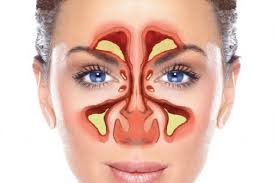
Sinusitis is the inflammation or swelling of the tissues lining the sinuses, which are air-filled spaces around your nose and eyes. When the sinuses become blocked due to an infection, allergy, or structural problem, mucus builds up and causes discomfort.This may cause a blocked nose, facial pressure, headaches, thick mucus from the nose, and a reduced ability to smell.
Sinusitis may be “acute”, lasting a few weeks, or “chronic”, lasting more than 12 weeks. Early diagnosis and proper treatment can help prevent repeated infections and improve your quality of life. If you are looking for Sinusitis Treatment in KPHB, consulting an experienced ENT specialist can help identify the exact cause and provide the right treatment.
When Should You See an ENT Specialist?
You should visit an ENT specialist if your symptoms do not improve with home care or keep coming back.
Common signs include:
- A blocked or congested nose that does not improve after 10 days.
- Pain or a feeling of heaviness in the cheeks, forehead, or around the eyes.
- Thick yellow or green nasal discharge
- Post-nasal drip causing throat irritation
- Frequent headaches
- Reduced or loss of sense of smell
- Recurrent sinus infections
- Difficulty breathing through the nose
People with allergies, nasal polyps, a deviated nasal septum, or frequent colds may have a higher risk of developing chronic sinusitis.
When Should You See an ENT Specialist?
A proper diagnosis helps identify the cause of sinusitis and guides the best treatment plan.
Your ENT specialist may perform:
- ENT specialist will first understand your symptoms, health history, and whether you have had sinus problems before.
- Physical examination of the nose and throat
- A nasal endoscopy to check the inside of your nose and sinus openings.
- CT scan of the sinuses if chronic sinusitis or structural blockage is suspected
- Allergy assessment when allergies are contributing to the condition
These tests help determine whether the problem is caused by infection, allergies, nasal polyps, or other structural issues.
How is Sinusitis Treated?
Treatment depends on the severity, duration, and underlying cause of the condition.
Your treatment plan may include:
- Medications to reduce infection and inflammation
- Saline nasal irrigation to clear mucus
- Medicated nasal sprays
- Allergy management if allergies are the trigger
- Lifestyle advice to avoid irritants and improve sinus health
- Functional Endoscopic Sinus Surgery (FESS) for patients with chronic sinusitis who do not respond to medical treatment
The goal of treatment is to ease your symptoms, improve normal sinus drainage, and help prevent repeated sinus infections.
How is Sinusitis Treated?
Most patients with mild sinusitis improve within a few days after starting treatment. Those with chronic sinusitis may require a longer recovery period depending on the treatment provided.
If surgery such as FESS is recommended, most patients can return to their normal routine within one to two weeks.Following your ENT specialist’s instructions, using your medicines correctly, and attending follow-up appointments can help you recover faster and maintain healthy sinuses.
Why People Choose Dr GSK ENT Clinic for Sinusitis Treatment in KPHB
Dr GSK ENT Clinic provides comprehensive ENT care with a focus on accurate diagnosis and personalised treatment.
Why patients choose us:
- Experienced ENT specialist
- Advanced nasal endoscopy for precise diagnosis
- Modern facilities for medical and surgical treatment
- Individualised treatment plans based on your condition
- Minimally invasive procedures, including FESS
- Patient-friendly care with regular follow-up
We are committed to helping patients find lasting relief from sinus problems through evidence-based treatment and compassionate care.
Book An Appointment
Clinic Location
Frequently Asked Questions (FAQ)
Sinusitis can be caused by viral or bacterial infections, allergies, nasal polyps, or a deviated nasal septum that blocks normal sinus drainage.
No. Many cases are caused by viruses and improve without antibiotics. Your ENT specialist will recommend treatment based on the cause.
Surgery may be advised if chronic sinusitis does not improve with medications or if there are structural problems such as nasal polyps or blocked sinus openings.
Yes. Sinusitis may recur, especially in people with allergies or nasal blockages. Regular follow-up and proper management can help reduce the risk of recurrence.