
Nasal Polyps Treatment in Kphb
What are Nasal Polyps ?
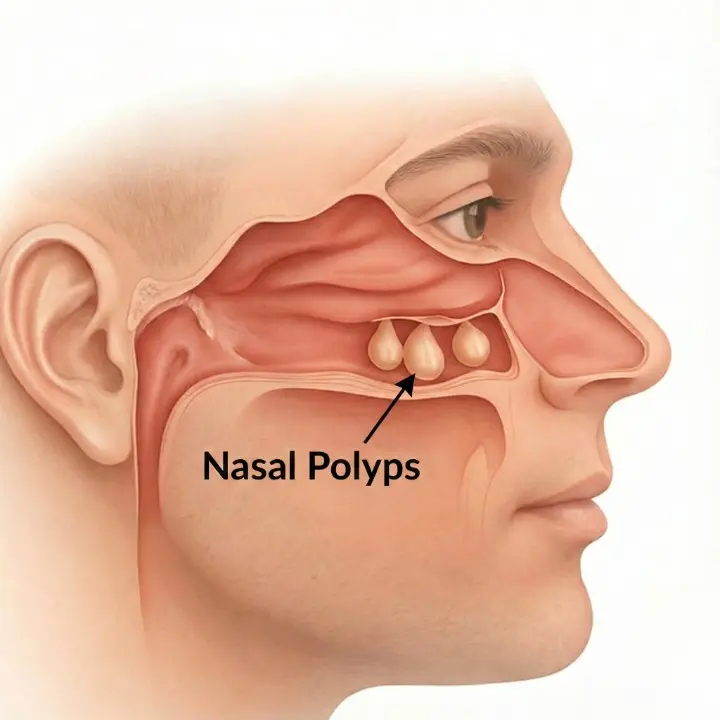
Nasal polyps are soft, painless growths that develop inside the lining of the nose or paranasal sinuses. They usually occur because of long-term inflammation rather than infection alone. Small polyps may not cause noticeable symptoms, whereas larger ones can block the nasal passages and affect normal breathing.
Although nasal polyps are non-cancerous, they should not be ignored. Early diagnosis often makes treatment simpler and helps prevent recurring sinus problems.
Common Symptoms of Nasal Polyps
The symptoms may develop gradually, making them easy to overlook. You should consider an ENT evaluation if you experience:
* Persistent nasal congestion
* Difficulty breathing through the nose
* Reduced or complete loss of smell
* Frequent sinus infections
* Thick nasal discharge
* Postnasal drip
* Facial heaviness or pressure
* Snoring or disturbed sleep
Many of these symptoms can also occur with allergies or chronic sinusitis. Therefore, a proper medical assessment is essential before starting treatment.
Why Do Nasal Polyps Develop?
Nasal polyps are commonly linked to ongoing inflammation inside the nose. Several health conditions may increase the risk of developing them.
Factors That May Contribute
* Chronic sinus inflammation
* Nasal allergies
* Asthma
* Repeated respiratory infections
* Sensitivity to environmental irritants
* Certain immune-related conditions
Not everyone with these conditions develops nasal polyps. However, recognising the underlying cause helps your ENT specialist recommend the most suitable treatment.
When Should You Visit an ENT Specialist?
Many people continue using over-the-counter nasal sprays without finding lasting relief. If your symptoms continue for more than a few weeks or frequently return, it is advisable to consult an ENT specialist.
You should seek medical attention if you notice:
- Persistent nasal blockage despite medication.
- Difficulty sleeping because of nasal obstruction.
- Repeated sinus infections.
- Loss of smell affecting your daily life.
- Facial pain or pressure that does not improve.
- Mouth breathing due to blocked nasal passages.
Prompt treatment may reduce the risk of complications and improve long-term symptom control.
How Is Nasal Polyps Diagnosed?
An accurate diagnosis helps identify the cause of your symptoms and rule out other nasal conditions.
Your ENT specialist may recommend:
Medical History and Clinical Examination
Your symptoms, allergy history, previous illnesses, and overall health are carefully assessed before planning further evaluation.
Nasal Endoscopy
A nasal endoscopy allows the doctor to examine the inside of your nose using a thin, flexible instrument with a camera. This procedure helps identify the size and location of nasal polyps.
Imaging Studies
In selected cases, imaging studies may be advised to assess the sinuses in greater detail, especially if chronic sinus disease is suspected.
Nasal Polyps Treatment in KPHB
The right treatment depends on your symptoms, the size of the polyps, and any associated nasal or sinus conditions. Since every patient is different, treatment is always planned according to individual clinical needs.
Medical Treatment
Many patients respond well to medicines, particularly when polyps are detected early.
Your treatment plan may include:
* Anti-inflammatory nasal sprays
* Saline nasal irrigation
* Medicines to reduce swelling
* Allergy management where required
* Treatment for associated sinus infections
Following your doctor’s advice and attending regular follow-up visits are equally important for achieving better results.
Surgical Treatment
If medicines do not provide sufficient relief or if the nasal polyps are extensive, surgery may be considered. The aim of surgery is to remove the polyps, improve nasal airflow, and restore normal sinus drainage.
Your ENT specialist will explain the procedure, expected benefits, and recovery process before recommending surgery.
Why Personalised Treatment Matters
No two patients experience nasal polyps in the same way. Some people mainly struggle with blocked noses, while others face repeated sinus infections or loss of smell. Therefore, treatment should focus on your symptoms, medical history, lifestyle, and long-term health.
A personalised approach also helps manage associated conditions such as allergies or asthma, reducing the chances of symptoms returning.
Why Trust GSK Speciality Clinic for Nasal Polyps Treatment in KPHB?
At GSK Speciality Clinic, ENT care is centred on your individual needs rather than a one-size-fits-all approach. Dr. Santosh Kumar Gunapu carefully evaluates your symptoms before recommending an evidence-based treatment plan. Every decision is guided by recognised clinical practices and transparent communication, allowing you to understand your condition and participate in your care.
Patients receive comprehensive ENT evaluation, clear explanations about available treatment options, ethical medical guidance, and continued follow-up whenever required. The goal is to help you achieve better nasal health while ensuring that every recommendation is appropriate for your condition.
Book An Appointment
Clinic Location
Frequently Asked Questions (FAQ)
Nasal polyps are usually non-cancerous. However, they can cause significant discomfort and recurring sinus problems if left untreated.
Small polyps may remain stable for some time, but many require medical treatment to control inflammation and relieve symptoms.
No. Many patients improve with medicines and regular follow-up. Surgery is recommended only when medical treatment does not provide adequate relief or when the polyps are extensive.
Yes, Nasal polyps may return in some patients, particularly when chronic inflammation or allergies are not well controlled. Regular follow-up visits with your ENT specialist help assess your nasal health, manage underlying conditions, and lower the chances of recurrence.